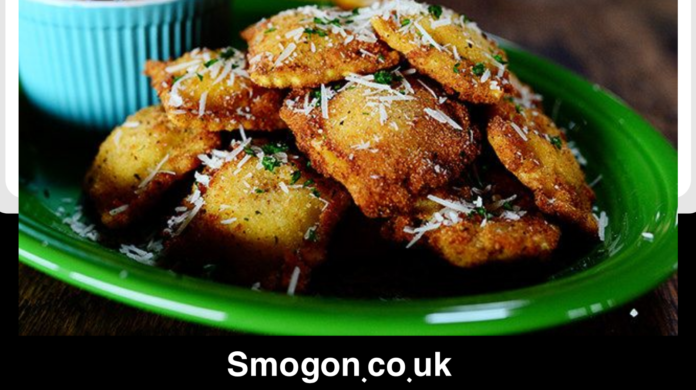


Levapioli is a traditional grilled meat dish that has attracted growing attention among food enthusiasts seeking authentic regional cuisine. Known for its juicy texture, simple ingredients, and rich cultural heritage, Levapioli represents more than just a meal—it reflects centuries of culinary tradition and community gatherings. While the exact origins remain debated, most sources associate Levapioli with Balkan and Mediterranean food traditions, where grilled minced meat dishes have long been a staple.
Whether served at family celebrations, street-food stalls, or modern restaurants, Levapioli continues to win admirers with its distinctive flavour and cultural significance.
Quick Facts About Levapioli
| Fact | Details |
|---|---|
| Name | Levapioli |
| Type | Traditional grilled meat dish |
| Origin | Primarily associated with Balkan culinary traditions |
| Main Ingredients | Minced beef, lamb, garlic, onions, spices |
| Cooking Method | Charcoal grilling, pan-frying, or baking |
| Common Accompaniments | Flatbread, onions, yogurt sauce, ajvar |
| Cultural Role | Family gatherings, festivals, communal meals |
| Modern Variations | Vegan, spicy, regional adaptations |
| Popular Regions | Balkans, Mediterranean areas, international food communities |
What Is Levapioli?
Levapioli is a grilled minced-meat dish typically prepared from beef, lamb, or a combination of both. The meat is seasoned with simple ingredients such as garlic, onion, salt, pepper, and paprika before being shaped into small sausage-like rolls or patties and cooked over an open flame.
The dish is often compared to Balkan ćevapi due to its similar preparation and appearance. However, Levapioli has evolved through regional adaptations and family recipes, giving it unique characteristics depending on where it is prepared.
One reason Levapioli remains popular is its simplicity. Rather than relying on complicated ingredients or elaborate cooking methods, the dish focuses on quality meat, balanced seasoning, and expert grilling techniques. This straightforward approach allows the natural flavours to shine.
Why Levapioli Matters
A Symbol of Community
Food often serves as a bridge between people, and Levapioli is no exception. Throughout the Balkans and neighbouring regions, preparing and sharing grilled meat dishes is closely tied to family gatherings, celebrations, and social occasions. Levapioli frequently appears at weddings, festivals, and weekend barbecues where people gather around the grill.
Preserving Culinary Heritage
Traditional recipes passed down through generations help preserve cultural identity. Families often maintain their own versions of Levapioli, adjusting spice blends and cooking techniques while preserving the dish’s essential character. This continuity strengthens cultural connections across generations.
Adaptability Across Cultures
Levapioli demonstrates how food evolves while retaining its roots. As migration and cultural exchange spread recipes across borders, the dish absorbed influences from different regions while maintaining its core identity. Today, Levapioli can be found in various forms around the world.
Key Features of Levapioli
### Simple Yet High-Quality Ingredients
The foundation of Levapioli lies in using fresh meat and carefully selected seasonings. Most traditional recipes rely on:
- Ground beef
- Ground lamb
- Garlic
- Onion
- Salt
- Black pepper
- Paprika
- Fresh herbs (optional)
This minimalist ingredient list allows the natural flavours to take centre stage.
### Traditional Grilling Method
Authentic Levapioli is traditionally cooked over charcoal or open flames. This method imparts a smoky flavour and creates a slightly crisp exterior while keeping the interior tender and juicy. Many enthusiasts consider grilling essential to achieving the dish’s signature taste.
### Regional Variations
Different regions prepare Levapioli in distinct ways. Some areas favour stronger spices, while others emphasise herbs or specific meat combinations. These variations reflect local agricultural products and culinary preferences.
### Versatile Serving Options
Levapioli can be enjoyed in numerous ways:
- Wrapped in flatbread
- Served with grilled vegetables
- Paired with yogurt sauces
- Accompanied by roasted peppers
- Presented as part of larger sharing platters
Its versatility contributes significantly to its popularity.
### Rich Cultural Associations
Unlike many modern convenience foods, Levapioli remains deeply connected to cultural traditions. The preparation process itself often becomes a social activity, bringing families and friends together.
### Global Appeal
As interest in traditional cuisines grows, Levapioli has found new audiences worldwide. Restaurants and home cooks increasingly embrace the dish for its authentic flavour and straightforward preparation.
History of Levapioli
The history of Levapioli is closely connected to the broader culinary traditions of the Balkans and Mediterranean regions. Historians generally trace similar grilled meat dishes to influences brought by the Ottoman Empire, which introduced various meat preparation and grilling techniques throughout Southeastern Europe.
Over time, local communities adapted these techniques using regional ingredients and preferences. What emerged were numerous versions of grilled minced-meat dishes, each reflecting local traditions while sharing common roots. Levapioli appears to be one such evolution.
In rural communities, the dish offered an affordable and practical way to prepare protein-rich meals. Shepherds, farmers, and labourers could easily cook seasoned meat over open fires, making Levapioli both convenient and satisfying.
As cities developed and culinary traditions spread, Levapioli moved beyond rural kitchens and became a beloved feature of street food culture, family gatherings, and regional festivals.
Traditional Levapioli Ingredients
The classic Levapioli recipe focuses on a handful of essential ingredients:
Meat Base
Traditionally, cooks use:
- Beef
- Lamb
- Beef-lamb blend
Some regional recipes may incorporate pork or other meats.
Seasonings
Common flavourings include:
- Garlic
- Onion
- Salt
- Black pepper
- Paprika
These ingredients provide depth without overwhelming the meat’s natural taste.
Optional Additions
Depending on the region, recipes may include:
- Parsley
- Mint
- Oregano
- Rosemary
- Chilli flakes
These additions create unique local interpretations.
How to Make Traditional Levapioli
Ingredients
- 500g minced beef
- 250g minced lamb
- 2 cloves garlic, minced
- 1 small onion, finely chopped
- 1 teaspoon paprika
- 1 teaspoon salt
- ½ teaspoon black pepper
Instructions
Step 1: Prepare the Mixture
Combine all ingredients in a large bowl. Mix thoroughly until evenly blended.
Step 2: Shape the Meat
Form the mixture into small sausage-shaped pieces or compact patties.
Step 3: Rest the Mixture
Allow the meat to rest for 30 minutes in the refrigerator. This helps the flavours develop.
Step 4: Grill
Cook over a hot charcoal grill for approximately 3–4 minutes per side until fully cooked.
Step 5: Serve
Serve immediately with flatbread, onions, and your preferred accompaniments. This preparation method reflects many traditional Levapioli recipes found throughout Balkan culinary culture.
Benefits and Use Cases
Excellent Source of Protein
Levapioli provides substantial protein, making it suitable for active individuals and balanced diets.
Ideal for Social Gatherings
The dish naturally lends itself to communal dining and outdoor cooking events.
Easy to Customise
Different meats, spices, and accompaniments allow cooks to tailor recipes to individual tastes.
Suitable for Modern Diets
Many modern versions use lean meats or plant-based alternatives while maintaining traditional flavours.
Restaurant and Street Food Favourite
Its portability and strong flavour profile make Levapioli popular in both casual and professional culinary settings.
Levapioli in Modern Cuisine
Today’s chefs continue to reinvent Levapioli while respecting its origins. Contemporary interpretations may feature:
- Organic ingredients
- Sustainable sourcing
- Gourmet sauces
- Plant-based alternatives
- International fusion flavours
These innovations help introduce the dish to new audiences while preserving its traditional essence.
Frequently Asked Questions
1. What exactly is Levapioli?
Levapioli is a traditional grilled minced-meat dish usually made from beef, lamb, or a combination of both. It is seasoned with simple spices and cooked over an open flame.
2. Where did Levapioli originate?
Most sources associate Levapioli with Balkan culinary traditions, although variations and influences have spread throughout Mediterranean regions.
3. What ingredients are used in Levapioli?
Common ingredients include minced beef, lamb, garlic, onions, salt, pepper, paprika, and optional herbs.
4. How is Levapioli traditionally served?
It is typically served with flatbread, chopped onions, yogurt-based sauces, grilled vegetables, or roasted pepper condiments.
5. Can Levapioli be made vegetarian?
Yes. Modern adaptations use plant-based proteins, lentils, or legumes while retaining traditional seasonings and preparation methods.
Conclusion
Levapioli stands as a fascinating example of how traditional food can preserve history, culture, and community spirit. Rooted in Balkan culinary heritage and shaped by generations of cooks, this grilled meat dish continues to delight diners with its simplicity and flavour. Whether enjoyed in its classic form or adapted for contemporary tastes, Levapioli remains a symbol of hospitality, tradition, and shared culinary experience. Its enduring popularity demonstrates that the most memorable dishes are often built on the simplest ingredients and the strongest cultural connections.