
What Is Chess Menswear?
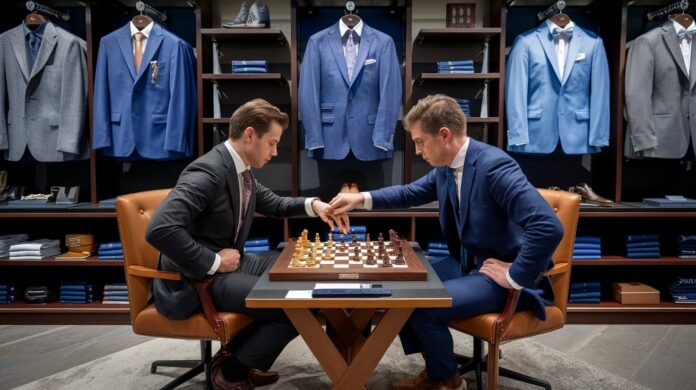
Chess menswear can be understood as a fashion concept centered on thoughtful men’s clothing, clean styling, and the balance between classic and contemporary pieces. The word “chess” naturally brings to mind strategy, precision, contrast, and careful decision-making. Those ideas can also describe a well-planned men’s wardrobe where every garment has a purpose and different pieces work together.
A strong wardrobe does not need to contain dozens of items. Instead, it should include clothing that can be combined in several ways. A well-fitted shirt, quality trousers, a versatile jacket, clean sneakers, and a pair of classic dress shoes can create outfits for many different occasions.
The appeal of chess menswear comes from this sense of balance. Light and dark colors can create contrast, while different textures and silhouettes add depth. Rather than following every short-lived trend, men can focus on timeless clothing and use selected modern details to keep their appearance fresh.
Whether you prefer formal clothing, smart casual outfits, streetwear, or minimalist fashion, the basic principle remains useful. Choose pieces carefully, understand how they work together, and build outfits with intention.
Why Is Chess Menswear Becoming Popular?
Men’s fashion has changed considerably as the boundaries between formal and casual clothing have become less strict. A tailored jacket may now be worn with sneakers, while a premium knit polo can work in settings where a traditional shirt was once expected. This flexibility has made versatile wardrobes increasingly practical.
Chess menswear fits naturally into this approach because it focuses on combinations rather than isolated pieces. A single garment can become part of several outfits when its color, cut, and material are selected carefully.
Another reason this style appeals to modern shoppers is simplicity. Many men want clothing that looks polished without requiring excessive effort. Neutral colors, clean lines, dependable fabrics, and classic silhouettes make it easier to get dressed while maintaining a refined appearance.
There is also a growing interest in personal style rather than simply copying seasonal trends. Men can use timeless foundations and then introduce personality through watches, footwear, outerwear, patterns, or accessories. This creates a wardrobe that feels individual while remaining practical.
Chess menswear can therefore be viewed as an approach to dressing with purpose. Every purchase becomes part of a larger wardrobe instead of being a random addition that may only work with one outfit.
Essential Pieces for a Chess Menswear Wardrobe
Building a versatile wardrobe starts with reliable basics. These pieces form the foundation for outfits and can be adjusted depending on the occasion.
Well-Fitted Shirts: A selection of white, blue, black, and neutral shirts can support both formal and casual outfits. Oxford shirts, linen shirts, and simple cotton styles each provide a different look.
Versatile Trousers: Chinos, tailored trousers, dark denim, and neutral pants can cover many situations. The right fit is usually more important than complicated detailing.
Tailored Jackets: A blazer or structured jacket instantly makes an outfit appear more polished. Navy, charcoal, black, and earthy shades are particularly easy to coordinate.
Quality Denim: Dark or medium-wash jeans can be dressed up with a shirt and jacket or kept casual with a T-shirt and sneakers.
Knitwear: Sweaters, cardigans, and knit polos are useful for layering. They also introduce texture without requiring loud patterns.
Footwear: A versatile collection might include clean sneakers, loafers, boots, and traditional dress shoes. Shoes can significantly change the overall character of an outfit.
Outerwear: A simple coat, bomber jacket, overshirt, or trench coat can complete an outfit while providing practical protection from changing weather.
The goal is not to purchase everything immediately. Start with pieces that match your existing wardrobe, then gradually add items that expand your styling options.
How to Style Chess Menswear for Different Occasions
One of the strongest features of a carefully planned men’s wardrobe is its adaptability. The same basic clothing can create completely different looks depending on the combination.
For a business setting, consider tailored trousers, a crisp shirt, leather shoes, and a structured blazer. Keep patterns restrained and choose colors that coordinate naturally. A simple watch and leather belt can complete the look without making it appear excessive.
For a smart casual occasion, combine dark jeans with a button-down shirt and lightweight jacket. Loafers or minimalist sneakers can make the outfit more relaxed while keeping it polished.
For a casual weekend, a quality T-shirt, straight-leg jeans, overshirt, and clean sneakers can create an effortless outfit. Neutral colors make these combinations particularly easy to build.
For an evening event, darker tones can create a sophisticated appearance. Try tailored trousers with a black or dark shirt and a well-fitted jacket. Depending on the event, leather shoes or sleek boots can provide the finishing touch.
For summer, lightweight cotton and linen can keep outfits comfortable. Linen shirts, relaxed trousers, polo shirts, and low-profile sneakers can create a breathable look without sacrificing style.
The key is to understand the dress code before choosing individual pieces. A good outfit should fit the environment as well as your personal taste.
How to Choose Colors and Patterns
Color plays an important role in chess menswear because contrast and coordination can dramatically change how an outfit looks. You do not need complicated color combinations to create visual interest.
Neutral colors such as black, white, navy, gray, beige, olive, and brown are excellent wardrobe foundations. They can be mixed with one another and provide a simple background for more distinctive pieces.
For example, navy trousers can work with a white shirt, light blue shirt, gray sweater, or beige jacket. Brown footwear can also complement navy, beige, olive, and many other neutral shades.
Patterns should be selected according to your personal comfort level. Stripes, checks, subtle prints, and textured fabrics can add character. However, combining several strong patterns at once can make an outfit look visually crowded.
A useful approach is to choose one noticeable element and keep the rest relatively simple. A patterned shirt can be paired with solid trousers and understated footwear. Alternatively, distinctive trousers can become the focus when worn with a plain shirt.
Chess menswear does not mean that every outfit needs black-and-white contrast. It is more about understanding how different elements interact and making deliberate choices.
Fit, Fabric, and Quality Matter
Even expensive clothing can look disappointing when the fit is incorrect. A well-designed wardrobe should prioritize proportion and comfort before brand names or decorative details.
Shoulder seams should generally sit close to the natural shoulder line, shirts should provide comfortable movement without excessive fabric, and trousers should have a clean shape without being unnecessarily tight. Small alterations from a professional tailor can sometimes make an ordinary garment look significantly more refined.
Fabric is equally important. Cotton is useful for everyday shirts and T-shirts, wool works well for tailoring and colder weather, linen is popular in warm conditions, and blends can offer practical advantages such as durability or easier care.
Quality does not necessarily mean buying the most expensive item available. Instead, look at stitching, fabric feel, construction, buttons, zippers, seams, and how the garment holds its shape after use.
A thoughtful chess menswear wardrobe should also consider longevity. Buying fewer garments that work across multiple outfits can be more practical than repeatedly purchasing pieces that only suit a single trend.
Before buying something new, ask yourself several questions. Does it fit properly? Can it work with at least three existing pieces? Is the fabric appropriate for your climate? Would you still want to wear it next year?
These questions can prevent unnecessary purchases and help create a more coherent wardrobe.
Building a Personal Chess Menswear Style
Clothing becomes much more interesting when it reflects the person wearing it. A wardrobe should provide structure while still leaving room for individuality.
Start by identifying the styles you naturally prefer. Some men enjoy minimalist outfits with neutral colors and clean silhouettes. Others prefer vintage influences, contemporary streetwear, traditional tailoring, or a combination of several aesthetics.
Your lifestyle should also influence your wardrobe. Someone who works in an office may need more tailored clothing, while someone working remotely may prioritize comfortable smart casual pieces. Climate, hobbies, travel, social activities, and daily routines can all affect what makes sense.
Accessories are another way to develop a personal identity. A distinctive watch, leather bag, sunglasses, belt, scarf, or piece of jewelry can change a simple outfit without requiring an entirely new wardrobe.
The most effective approach is to experiment gradually. Try different combinations using clothing you already own. Take note of which colors, proportions, and textures make you feel comfortable and confident.
Over time, you will begin to recognize your personal style without having to think about every outfit from scratch. That is one of the practical benefits of chess menswear: careful choices create more freedom rather than more complexity.
Frequently Asked Questions About Chess Menswear
What does chess menswear mean?
Chess menswear describes a thoughtful approach to men’s clothing based on coordination, contrast, versatility, and intentional styling. It can include formal, smart casual, minimalist, or contemporary clothing.
Is chess menswear only for formal outfits?
No. The concept can work across formal, smart casual, and everyday clothing. The focus is on combining pieces effectively rather than following one specific dress code.
What colors work well in a chess menswear wardrobe?
Black, white, navy, gray, beige, brown, olive, and other neutral colors are versatile choices. They can be combined easily and provide a strong foundation for more distinctive garments.
How can men make simple outfits look more stylish?
Focus on fit, proportions, clean footwear, layering, and coordinated colors. A simple outfit can look polished when each piece fits properly and works naturally with the others.
What are the most important men’s wardrobe basics?
Useful basics include well-fitted shirts, T-shirts, versatile trousers, dark denim, knitwear, a jacket, suitable outerwear, and several pairs of footwear for different occasions.
Does good menswear have to be expensive?
Not necessarily. Quality construction, suitable fabrics, proper fit, and versatility often matter more than a high price. Alterations can also improve the appearance of reasonably priced clothing.
How can I start building a chess menswear wardrobe?
Begin with versatile neutral pieces that work together. Add clothing gradually, focusing on garments that can create several outfits rather than items that only work in one combination.
Final Thoughts on Chess Menswear
Chess menswear is ultimately about making smarter choices with clothing. Instead of building a wardrobe around random purchases, think about how each shirt, trouser, jacket, shoe, and accessory interacts with everything else.
Start with dependable basics, pay attention to fit, choose colors that coordinate easily, and add personality through texture, patterns, footwear, and accessories. The result can be a wardrobe that looks polished without feeling forced.
Good style does not require complicated rules. When your clothes fit well, suit your lifestyle, and work together naturally, getting dressed becomes easier. That is the real value of a strategic approach to men’s fashion.
Read ALso: Places to Eat Near Me: How to Find Great Local Restaurants