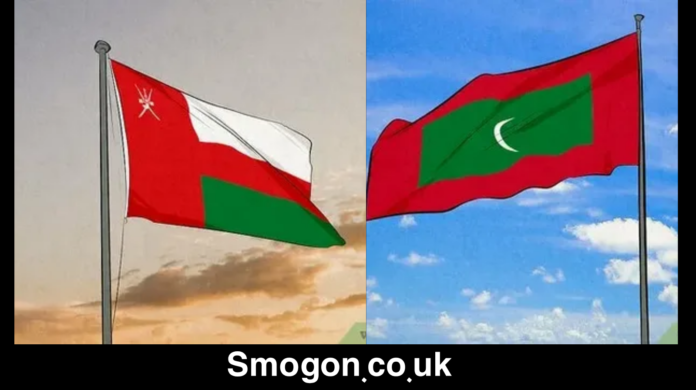


Flags are among the most recognisable symbols in the world. They represent nations, cultures, historical events, and shared identities. When people search for the green white red flag, they are often referring to one of several national flags that feature these three colours. The most famous example is the flag of Italy, although other countries, regions, and organisations also use green, white, and red in their designs.
Understanding the green white red flag involves more than identifying colours. Each shade carries historical significance, cultural meaning, and political symbolism. Whether you are a student, traveller, history enthusiast, or simply curious about world flags, learning about these colours provides fascinating insight into national identity and heritage.
Quick Facts About the Green White Red Flag
| Feature | Details |
|---|---|
| Name | Green White Red Flag |
| Type | National and regional flag design |
| Most Famous Example | Italy |
| Colours | Green, White, Red |
| Common Symbolism | Hope, peace, courage, unity |
| Shape | Usually rectangular |
| Usage | National representation, government, international events |
| Regions Using Colours | Europe, Middle East, Africa, and Latin America |
| Historical Importance | Linked to independence, revolution, and national identity |
What Is Green White Red Flag?
The term green white red flag generally refers to any flag that prominently features the colours green, white, and red. These colours appear in several national flags around the world, but they are most commonly associated with the Italian flag.
The Italian tricolour consists of three equal vertical bands of green, white, and red. It has served as the national flag of Italy since the nineteenth century and remains one of the most recognisable flags globally.
However, Italy is not the only country to use these colours. Nations such as Mexico, Hungary, Iran, Bulgaria, and several others incorporate green, white, and red into their flags, although the arrangement and symbolism differ. As a result, the phrase “green white red flag” can refer to multiple national symbols depending on the context.
Throughout history, these colours have frequently represented themes such as freedom, faith, sacrifice, hope, and national unity. Consequently, they continue to hold significant meaning for millions of people worldwide.
Why the Green White Red Flag Matters
Flags are powerful symbols because they communicate identity without words. A green white red flag can instantly evoke a nation’s history, culture, and values.
For countries that use these colours, the flag often serves as a reminder of important historical struggles and achievements. National celebrations, sporting events, diplomatic meetings, and public ceremonies all rely on flags to reinforce collective identity.
Additionally, these colours have become associated with specific cultural traditions. For example, the Italian flag is recognised worldwide and often appears alongside Italian cuisine, fashion, art, and heritage.
The green white red flag also matters in education. Students studying geography, politics, and history frequently encounter these colours while learning about nations and their development over time.
Furthermore, in an increasingly globalised world, understanding national symbols helps foster cultural awareness and international understanding.
Key Features of the Green White Red Flag
Green Represents Hope and Prosperity
Green is one of the most common colours found in national flags. It is frequently associated with nature, agriculture, growth, and renewal.
In the Italian flag, green is often interpreted as representing the country’s fertile plains and rolling countryside. In other nations, it may symbolise prosperity, hope, or religious traditions.
Because green is strongly connected to life and renewal, it serves as a positive and uplifting element within many flag designs.
White Symbolises Peace and Unity
White is commonly viewed as a symbol of peace, honesty, and purity. Across different cultures, it represents harmony and the desire for stability.
Within the green white red flag design, white often acts as a balancing colour between green and red. It visually softens the stronger colours while adding a sense of neutrality and unity.
Many nations use white to express ideals of justice, equality, and peaceful coexistence.
Red Reflects Courage and Sacrifice
Red is among the most powerful colours used in flag design. It frequently symbolises bravery, strength, and sacrifice.
Historically, red has represented the blood shed by those who fought for independence or national freedom. This symbolism appears in many national flags around the world.
In addition to sacrifice, red may also signify determination, energy, and patriotism.
Tricolour Design Structure
Many green white red flags use a tricolour format, meaning the flag contains three distinct sections of colour.
The Italian flag features three vertical stripes, while Hungary uses three horizontal bands. Although the colours remain similar, the arrangement creates unique national identities.
The tricolour design became particularly popular during the eighteenth and nineteenth centuries when revolutionary movements spread across Europe.
Strong National Identity
A key feature of any green white red flag is its role in promoting national identity.
Flags appear on government buildings, passports, military uniforms, educational institutions, and public monuments. Through repeated use, they become deeply connected to citizens’ sense of belonging and pride.
As a result, these colours often carry emotional significance beyond their visual appearance.
International Recognition
Some green white red flags are recognised almost instantly worldwide.
Italy’s flag, for example, is commonly associated with:
- Italian culture
- Pizza and cuisine
- Renaissance history
- Luxury fashion
- Tourism
- Art and architecture
This international recognition makes the green white red colour combination particularly influential.
Benefits and Use Cases of National Flags
Promoting National Unity
One of the primary benefits of a national flag is its ability to unite people under a common symbol.
Regardless of regional, political, or social differences, citizens often rally around their flag during important moments.
Supporting International Representation
Flags help countries represent themselves on the global stage.
Whether at the United Nations, international sporting competitions, or diplomatic summits, flags provide immediate visual identification.
Educational Value
Flags offer valuable educational opportunities.
Students can learn about:
- Geography
- History
- Political systems
- Cultural traditions
- International relations
The green white red flag serves as an excellent example of how colours can convey meaning across generations.
Cultural Preservation
National symbols help preserve traditions and historical narratives.
Flags connect modern societies with their past and remind future generations of significant events that shaped their countries.
Tourism and Branding
Countries often use their flags as part of national branding strategies.
Visitors frequently associate specific colours and flag designs with destinations they wish to explore, making flags useful tools for tourism promotion.
Countries That Use Green, White, and Red Flags
Italy
The Italian flag is perhaps the most famous green white red flag in the world.
Adopted officially in 1946, it consists of three equal vertical stripes. The flag is closely linked to Italian history, culture, and national pride.
Mexico
Mexico’s flag includes green, white, and red vertical bands, along with the national coat of arms positioned in the centre.
The emblem depicts an eagle standing on a cactus while holding a snake, reflecting an important Aztec legend.
Hungary
Hungary uses three horizontal stripes of red, white, and green.
Although the arrangement differs from Italy’s flag, the colours remain significant symbols of Hungarian identity.
Iran
Iran’s flag incorporates green, white, and red horizontal bands along with Islamic symbols and inscriptions.
The colours carry both national and religious significance.
Bulgaria
Bulgaria’s flag contains white, green, and red horizontal stripes.
The arrangement differs slightly from other nations, but the colour combination remains recognisable.
Other Regional Uses
Various regional governments, municipalities, and organisations around the world also use green, white, and red colour schemes.
These designs may reflect historical ties, cultural heritage, or political movements.
The History Behind Green White Red Flags
The widespread use of green, white, and red emerged largely during the revolutionary period of Europe.
Many historians trace the popularity of tricolour flags to the influence of revolutionary France, whose blue, white, and red flag inspired similar designs across the continent.
During the late eighteenth and nineteenth centuries, nationalist movements sought symbols that represented unity and independence. Green, white, and red became popular choices due to their strong visual contrast and symbolic meanings.
Over time, different countries adopted these colours while assigning unique interpretations based on local history and culture.
Today, the green white red flag remains one of the most enduring and recognisable colour combinations in vexillology—the study of flags.
FAQs
1. What country is most associated with the green white red flag?
Italy is the country most commonly associated with the green white red flag. Its vertical tricolour design is recognised around the world and serves as Italy’s national symbol.
2. What do the colours green, white, and red represent?
Although meanings vary by country, green often symbolises hope and prosperity, white represents peace and unity, and red signifies courage and sacrifice.
3. Is the Mexican flag a green white red flag?
Yes. Mexico’s national flag uses green, white, and red vertical stripes and includes the national coat of arms in the centre.
4. Why do multiple countries use the same colours?
Many countries adopted similar colours due to historical influences, independence movements, cultural symbolism, and the popularity of tricolour flag designs.
5. What is the study of flags called?
The study of flags is known as vexillology. It examines flag history, symbolism, design principles, and cultural significance.
Conclusion
The green white red flag is more than a simple arrangement of colours. It represents history, identity, culture, and national pride across numerous countries. While Italy is perhaps the most famous example, nations such as Mexico, Hungary, Iran, and Bulgaria also use these colours to express their unique heritage and values.
By understanding the symbolism behind green, white, and red, we gain a deeper appreciation for the role flags play in shaping national identity and connecting people to their shared history. Whether viewed during international events, educational studies, or cultural celebrations, these colours continue to carry powerful meaning around the world.