

Education is the foundation of every society, and osnovno uciliste represents one of the most important stages in a child’s learning journey. It provides children with essential knowledge, social skills, and confidence needed for future education and everyday life.

From basic literacy and numeracy to creativity, communication, and personal development, osnovno uciliste plays a key role in shaping young minds. This article explains what it means, why it matters, and how primary education supports children as they grow.
Quick Facts Table
| Category | Details |
|---|---|
| Name | Osnovno Uciliste |
| Type | Primary/Elementary School |
| Purpose | Providing foundational education for children |
| Education Level | First stage of formal schooling |
| Main Subjects | Language, Mathematics, Science, Arts, Physical Education and Social Studies |
| Typical Age Group | Children approximately 6–14 years old (varies by country) |
| Location | Common in Balkan and Slavic education systems |
| Key Features | Basic learning, social development, preparation for further education |
| Importance | Builds academic foundations and life skills |
What Is Osnovno Uciliste?
Osnovno uciliste is a term commonly used in several South Slavic languages to describe a primary school or elementary school. The phrase refers to an educational institution where children receive their first years of structured learning. It is usually the first major stage of formal education after early childhood education.
The main purpose of osnovno uciliste is to provide students with fundamental knowledge and skills. Children learn essential subjects such as reading, writing, mathematics, science, history, and languages. However, the role of a primary school goes beyond textbooks because it also helps children develop responsibility, teamwork, creativity, and independent thinking.
In many education systems, osnovno uciliste represents a compulsory part of schooling. During these years, students build the academic foundation required for secondary education and later professional development. The experiences gained during primary education often influence a child’s confidence, interests, and attitude towards learning.
The structure of osnovno uciliste may differ depending on the country or education system. Some countries divide primary education into lower and upper stages, while others combine all years into one continuous programme. Regardless of the structure, the central goal remains the same: helping children develop intellectually, emotionally, and socially.
Why Does Osnovno Uciliste Matter?
Primary education is one of the most important investments a society can make. The years spent in osnovno uciliste help children develop the basic abilities they need to participate successfully in their communities and future careers.
One of the biggest reasons osnovno uciliste matters is that it creates educational equality. Children from different backgrounds receive access to similar learning opportunities, allowing them to develop their abilities and discover their strengths.
Furthermore, primary school is where many lifelong habits are formed. Students learn how to manage time, complete tasks, communicate with others, and solve problems. These skills are valuable not only in education but also in personal and professional life.
The importance of osnovno uciliste also comes from its role in social development. Children interact with classmates, teachers, and the wider school community. Through these interactions, they learn respect, cooperation, responsibility, and cultural awareness.
A strong primary education system also benefits society as a whole. Well-educated children are more likely to continue their studies, contribute to the economy, and participate positively in their communities.
Key Features and Main Points of Osnovno Uciliste
Foundational Academic Learning
One of the main features of osnovno uciliste is teaching fundamental academic skills. Students begin with basic reading, writing, and mathematics before gradually moving towards more advanced concepts.
These early skills create the foundation for future learning. A child who develops strong literacy and numeracy abilities during primary education usually finds later academic challenges easier to manage.
Teachers focus on helping students understand concepts rather than simply memorising information. This approach encourages curiosity and builds a stronger connection with learning.
Development of Social Skills
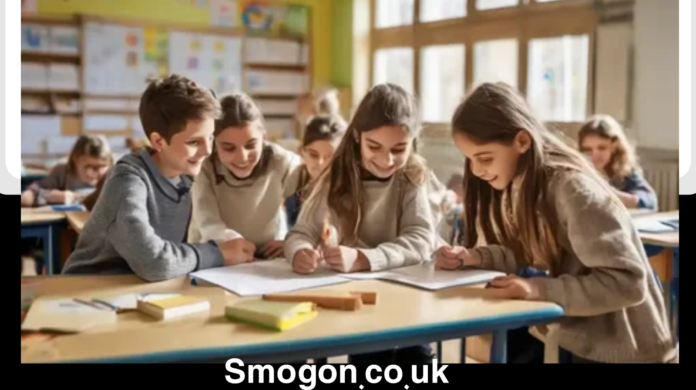
Osnovno uciliste is not only about academic achievement. It is also a place where children learn how to communicate and work with others.
Through group activities, classroom discussions, and school projects, students develop important social abilities. They learn how to share ideas, respect different opinions, and cooperate towards common goals.
These experiences prepare children for real-world situations where teamwork and communication are essential.
Qualified Teachers and Guidance
Teachers are one of the most important parts of osnovno uciliste. They guide students through their early educational experiences and help identify individual strengths and challenges.
A good teacher does more than deliver lessons. They encourage confidence, support creativity, and motivate students to continue learning.
Teachers also work closely with families to support children’s progress and create a positive learning environment.
Diverse Subjects and Learning Opportunities
Modern primary schools usually provide a wide range of subjects. Alongside traditional areas such as mathematics and language, students may study art, music, technology, physical education, and environmental studies.
This variety helps children discover their interests and talents. Some students may enjoy creative subjects, while others may develop a passion for science or problem-solving.
Exposure to different subjects allows children to become more well-rounded individuals.
Preparation for Future Education
Another important role of osnovno uciliste is preparing students for the next stage of education. Primary school introduces children to more structured learning methods and academic responsibilities.
Students learn how to study independently, organise their work, and prepare for assessments. These habits become valuable when they move into secondary education and beyond.
Benefits and Use Cases of Osnovno Uciliste
The benefits of osnovno uciliste extend far beyond academic knowledge. It supports children’s overall development and prepares them for different aspects of life.
Building Confidence
Primary education gives children opportunities to succeed, improve, and discover their abilities. Positive feedback from teachers and achievements in school activities help students develop self-confidence.
Improving Communication Skills
Through classroom discussions, presentations, and teamwork, children improve their ability to express ideas clearly. Strong communication skills are useful throughout life.
Encouraging Creativity
Many primary schools include creative activities such as drawing, music, writing, and practical projects. These activities encourage imagination and innovative thinking.
Creating Responsible Individuals
Students learn important values such as discipline, respect, honesty, and responsibility. These lessons help shape their character and behaviour.
Supporting Lifelong Learning
Perhaps one of the greatest benefits of osnovno uciliste is creating a positive attitude towards education. Children who enjoy learning at an early age are more likely to continue developing their knowledge throughout life.
The Role of Technology in Modern Osnovno Uciliste
Technology has changed the way children learn in many primary schools around the world. Modern osnovno uciliste increasingly uses digital tools to make lessons more interactive and engaging.
Computers, educational software, digital resources, and online learning platforms can support traditional classroom methods. They allow students to explore information in new ways and develop digital skills that are important in today’s world.
However, technology is most effective when combined with good teaching methods. The role of teachers remains essential because they help students understand information, think critically, and use technology responsibly.
Digital learning also creates new opportunities for personalised education. Students can sometimes learn at their own pace and receive additional support in areas where they need improvement.
Challenges Facing Osnovno Uciliste
Although primary education provides many benefits, osnovno uciliste also faces challenges in the modern world.
One challenge is ensuring equal access to quality education for all children. Schools must continue working to support students from different backgrounds and provide appropriate resources.
Another challenge is adapting teaching methods to changing needs. Children today grow up in a digital environment, meaning schools must balance traditional education with modern learning approaches.
Teachers also face increasing responsibilities as they support not only academic learning but also children’s emotional and social development.
Addressing these challenges requires cooperation between schools, families, governments, and communities.
The Future of Osnovno Uciliste
The future of primary education is likely to focus on flexibility, creativity, and personalised learning. Schools are increasingly recognising that every child learns differently.
Future osnovno uciliste systems may place greater emphasis on problem-solving, digital literacy, communication, and practical skills. Instead of only focusing on memorisation, education is moving towards helping students understand how to apply knowledge.
The goal remains the same: creating confident, capable, and responsible individuals who can succeed in a changing world.
FAQs About Osnovno Uciliste
What does osnovno uciliste mean?
Osnovno uciliste means primary school or elementary school. It refers to the first stage of formal education where children learn basic academic subjects and develop important social skills.
What age do children attend osnovno uciliste?
The age range depends on the country’s education system, but children generally attend primary school from around six years old until early teenage years.
Why is osnovno uciliste important for children?
Osnovno uciliste provides the foundation for future education and personal development. It helps children gain knowledge, confidence, communication skills, and social awareness.
What subjects are taught in osnovno uciliste?
Subjects usually include language, mathematics, science, history, geography, arts, physical education, and sometimes technology or foreign languages.
How does osnovno uciliste prepare students for the future?
It prepares students by teaching academic knowledge, independent learning skills, responsibility, teamwork, and problem-solving abilities needed for further education and everyday life.
Conclusion
Osnovno uciliste is much more than a place where children attend classes. It is an important environment where young people build knowledge, discover their interests, and develop the skills needed for the future.
By providing strong foundations in education, communication, and personal growth, primary schools continue to play a central role in creating successful and confident generations.