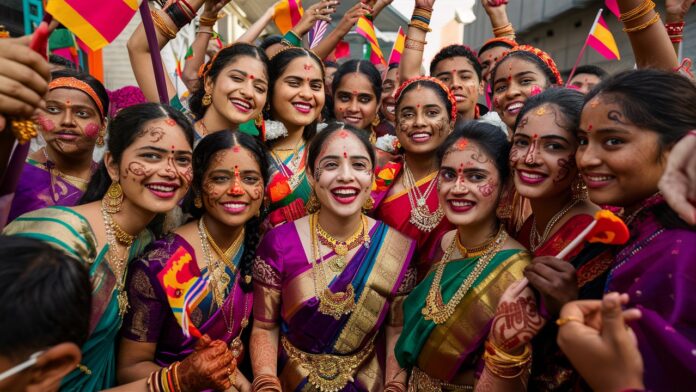


Student organizations play an important role in shaping the university experience. Beyond academics, they provide opportunities for networking, leadership development, cultural expression, and personal growth. Among the many student-led organizations found in schools, colleges, and universities around the world, the Tamil Students Association stands out as a vibrant and meaningful community dedicated to supporting Tamil students while promoting Tamil culture, language, and traditions.
A Tamil Students Association serves as more than just a social club. It acts as a bridge between students and their cultural heritage, creating opportunities for individuals to celebrate their identity while building friendships and professional connections. For many students studying away from home, joining a Tamil Students Association can provide a sense of belonging and familiarity during a significant period of transition.
The Tamil language is one of the world’s oldest living languages, with a rich literary, artistic, and cultural history spanning thousands of years. Tamil communities are found across many countries, including India, Sri Lanka, Malaysia, Singapore, Canada, the United Kingdom, Australia, and the United States. As Tamil populations continue to grow globally, student organizations have become essential platforms for preserving cultural traditions while fostering unity among younger generations.
This comprehensive guide explores the purpose, benefits, activities, leadership opportunities, cultural significance, and future impact of Tamil Students Associations. Whether you are considering joining an association or simply want to learn more about its role in student life, this article provides valuable insights into why these organizations continue to thrive in educational institutions worldwide.
What Is a Tamil Students Association?
A Tamil Students Association is a student-led organization that brings together students who share an interest in Tamil culture, language, history, and community engagement. While many members may come from Tamil backgrounds, these associations are often open to students from all cultural backgrounds who wish to learn about Tamil traditions and participate in related activities.
The primary mission of a Tamil Students Association is to create an inclusive environment where students can connect, support one another, and celebrate cultural identity. These organizations frequently host events, workshops, educational programs, and social gatherings designed to strengthen community bonds while promoting cultural awareness.
In educational institutions, Tamil Students Associations often serve as valuable resources for new students, helping them adjust to campus life while providing opportunities to build meaningful relationships and professional networks.
The Importance of Cultural Identity in Student Life
For many students, university represents a period of exploration and self-discovery. During this stage, cultural identity often becomes an important source of confidence, belonging, and personal understanding.
Tamil Students Associations help students maintain connections with their heritage while navigating new academic and social environments. By participating in cultural events, language programs, and community discussions, students gain opportunities to deepen their appreciation of Tamil history and traditions.
Maintaining cultural identity does not mean limiting interactions with other communities. On the contrary, strong cultural awareness often encourages greater openness, respect, and appreciation for diversity. Students who understand their own heritage are often better equipped to engage with people from different backgrounds.
Through cultural programming and educational initiatives, Tamil Students Associations contribute to a more inclusive and multicultural campus environment.
Building a Strong Student Community
One of the greatest strengths of a Tamil Students Association is its ability to foster community. Many students move away from home for education and may initially feel isolated or overwhelmed. Student organizations help create supportive environments where individuals can connect with peers who share similar experiences and interests.
Community-building activities may include social gatherings, orientation programs, cultural celebrations, networking events, and mentorship opportunities. These initiatives help students develop friendships, strengthen communication skills, and build support systems that contribute to academic and personal success.
A strong student community can significantly enhance the overall educational experience. Students who feel connected and supported are often more engaged, confident, and motivated throughout their academic journey.
Celebrating Tamil Culture and Traditions
Tamil culture is known for its rich history, classical literature, music, dance, cuisine, and festivals. Tamil Students Associations play a vital role in preserving and promoting these traditions among younger generations.
Cultural celebrations are often among the most anticipated events organized by student associations. Festivals such as Pongal, Tamil New Year, and other cultural observances provide opportunities for students to share traditions with both Tamil and non-Tamil audiences.
Performances featuring traditional music, dance, drama, and poetry showcase the artistic heritage of Tamil culture while encouraging creative expression among students.
These events help strengthen cultural pride while promoting cross-cultural understanding within educational communities.
Leadership and Professional Development
Participation in a Tamil Students Association offers valuable leadership opportunities. Student leaders are responsible for organizing events, managing budgets, coordinating volunteers, and communicating with university administrators and community partners.
These responsibilities help develop practical skills that are highly valuable in professional environments. Leadership experience demonstrates initiative, teamwork, communication abilities, and organizational competence.
Students who serve in executive positions often gain experience in project management, event planning, marketing, public speaking, and conflict resolution. These skills can enhance resumes and improve career readiness.
Leadership opportunities also encourage personal growth by helping students build confidence and develop a stronger sense of responsibility.
Academic Support and Networking
While cultural activities are important, many Tamil Students Associations also focus on academic support and professional networking. Educational workshops, study groups, career panels, and alumni networking events provide students with valuable resources for success.
Networking opportunities allow students to connect with professionals, graduates, and industry leaders who can offer guidance and mentorship. These connections can lead to internships, career opportunities, and long-term professional relationships.
Academic support initiatives create collaborative environments where students can share knowledge, discuss challenges, and encourage one another’s success.
The combination of academic and social support contributes to a well-rounded student experience.
Community Service and Social Impact
Many Tamil Students Associations actively participate in community service and charitable initiatives. Volunteer projects, fundraising campaigns, educational outreach programs, and social awareness events allow students to make meaningful contributions beyond campus.
Community service reinforces values such as compassion, responsibility, and civic engagement. It also provides opportunities for students to apply their skills in ways that positively impact society.
By participating in service activities, students develop a greater understanding of social issues while strengthening their commitment to community involvement.
These experiences often leave lasting impressions that influence future personal and professional choices.
Challenges and Opportunities
Like all student organizations, Tamil Students Associations face challenges related to membership engagement, event planning, funding, and organizational sustainability. Balancing academic commitments with leadership responsibilities can also be demanding for student volunteers.
However, these challenges create opportunities for innovation and growth. Technology, social media, and virtual events have expanded the ways associations can engage members and reach broader audiences.
Collaborations with other cultural organizations, universities, and community groups can further strengthen programs and increase impact.
Adaptability and strategic planning will continue to play important roles in the success of student associations.
The Future of Tamil Students Associations
As higher education becomes increasingly globalized, the importance of cultural organizations is likely to grow. Students seek meaningful connections, cultural understanding, and supportive communities that enrich their educational experiences.
Tamil Students Associations are well-positioned to meet these needs by combining cultural preservation with leadership development, networking opportunities, and community engagement.
Future associations may incorporate new technologies, digital programming, and international collaborations to enhance accessibility and participation. At the same time, their core mission of promoting Tamil culture and supporting students will remain central to their success.
The continued growth of Tamil communities worldwide suggests that these organizations will remain important contributors to student life for generations to come.
Conclusion
A Tamil Students Association is far more than a campus club. It is a community that promotes cultural pride, personal growth, leadership development, academic support, and lifelong friendships. By bringing students together through shared experiences and meaningful activities, these organizations help create enriching educational environments where individuals can thrive both personally and professionally.
Through cultural celebrations, leadership opportunities, networking initiatives, and community service, Tamil Students Associations play a significant role in preserving heritage while preparing students for future success. Their impact extends beyond university campuses, contributing to stronger communities and a deeper appreciation of Tamil culture around the world.
As education continues evolving in an increasingly interconnected world, the value of organizations that foster belonging, diversity, and cultural understanding remains stronger than ever.
Frequently Asked Questions (FAQ)
What is a Tamil Students Association?
A Tamil Students Association is a student-led organization that promotes Tamil culture, community engagement, leadership, and student support.
Who can join a Tamil Students Association?
Most associations welcome all students, regardless of cultural background, who are interested in Tamil culture and community activities.
What activities do Tamil Students Associations organize?
They often host cultural celebrations, networking events, leadership programs, academic workshops, and community service projects.
Why are Tamil Students Associations important?
They help preserve cultural heritage, foster community connections, and support student development.
Do Tamil Students Associations provide leadership opportunities?
Yes. Students can serve in executive roles, organize events, manage projects, and develop professional skills.
How do these associations support academic success?
Many organizations offer study groups, mentorship programs, workshops, and networking opportunities.
What cultural traditions are commonly celebrated?
Popular events may include Pongal, Tamil New Year celebrations, cultural performances, and educational programs about Tamil heritage.
Can joining a Tamil Students Association help with career development?
Yes. Networking events, leadership experience, and professional connections can support career growth and future opportunities.