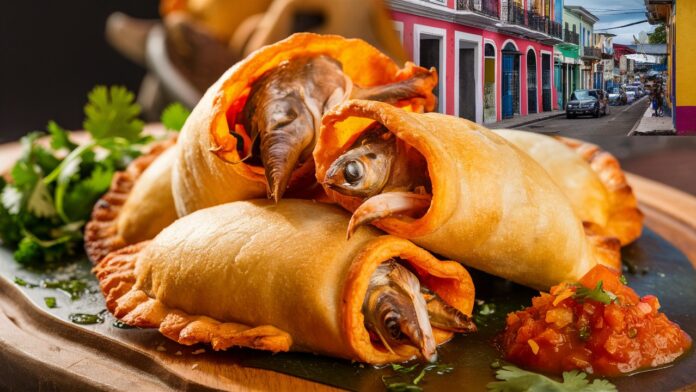


Best empanadas de cazón near me refers to finding the most authentic and tasty version of empanadas filled with cazón, a traditional Latin American snack made with small shark meat, usually from dogfish. These empanadas are popular in coastal regions of Venezuela, Colombia, and other Caribbean areas where seafood is part of daily food culture. The filling is cooked, seasoned, and placed inside a corn dough shell, then fried until golden and crispy.
When people search for “best empanadas de cazón near me,” they are looking for fresh, crispy empanadas that have a soft, flavorful seafood filling and are made in a traditional way. This dish is often eaten for breakfast, lunch, or street food snacks.
This guide explains what empanadas de cazón are, their origin, how they are made, where to find them, and why they are so loved in coastal Latin cuisine. It also helps you choose the best place near you.
2. Quick Facts Table
| Detail | Information |
|---|---|
| Name | Empanadas de Cazón |
| Type | Fried stuffed pastry |
| Category | Latin American Street Food |
| Main Focus | Seafood filling |
| Core Strength | Crispy outside, soft inside |
| Best For | Breakfast, snacks |
| Use Cases | Street food, quick meals |
| Origin | Venezuela / Caribbean coast |
| Main Ingredient | Cazón (small shark meat) |
| Dough Type | Corn-based dough |
| Flavor Type | Savory, lightly spiced |
| Cooking Style | Fried |
| Texture | Crispy and soft |
| Popular Region | Venezuela, Colombia |
| Serving Style | Hot with sauces |
What Is Empanadas de Cazón?
Best empanadas de cazón near me are traditional Latin American fried pastries filled with seasoned cazón, which is a type of small shark commonly used in coastal cooking. The filling is prepared with cooked fish meat mixed with onions, garlic, peppers, and spices. It is then placed inside a corn dough shell and fried until golden and crispy.
These empanadas are especially popular in Venezuela and Caribbean coastal regions where seafood is widely available. They are often sold as street food and enjoyed fresh and hot.
When people search for “best empanadas de cazón near me,” they usually want authentic versions that are crispy on the outside and soft, flavorful inside. The balance of texture and taste is what makes this dish special and widely loved.
Origin and History
Empanadas de cazón come from coastal Latin American food traditions, especially Venezuela. Fishermen and coastal families used cazón as it was easy to catch and cook.
Over time, they combined it with corn dough to create empanadas, which became a popular street food. This dish spread across nearby regions, especially Colombia and Caribbean islands.
It became a cultural food symbol, often sold by street vendors in early mornings and enjoyed as a quick, filling meal.
What Is Cazón?
Cazón refers to small shark species, often dogfish, used in cooking. It has a soft texture and mild seafood flavor.
It is cleaned, boiled, shredded, and seasoned before being used in empanadas. The flavor is not too strong, which makes it perfect for mixing with spices and dough.
In coastal regions, cazón is a common and affordable seafood choice.
Main Ingredients Used
The main ingredients of empanadas de cazón are simple. The filling includes cooked cazón, onions, garlic, bell peppers, and spices.
The dough is made from corn flour, water, and salt. Some versions include turmeric or annatto for color.
The mixture is shaped into circles, filled, sealed, and fried in hot oil until crispy.
How Empanadas de Cazón Are Made
First, the cazón is cleaned and boiled until soft. Then it is shredded and cooked with spices and vegetables.
Next, corn dough is prepared and shaped into flat circles. A spoon of filling is placed inside, and the dough is folded and sealed.
Finally, the empanadas are deep-fried until golden brown and crispy. They are served hot and fresh.
Taste and Texture
Empanadas de cazón have a crispy outer layer and a soft, juicy filling inside. The taste is savory with mild seafood flavor.
The spices add depth, while the corn dough gives a slightly sweet and earthy taste. The combination makes it rich and satisfying.
Freshly fried empanadas are best because they are crunchy and warm.
Why People Love Empanadas de Cazón
People love this dish because it is simple, filling, and full of flavor. It is also affordable and easy to find in coastal areas.
It is perfect for quick meals, especially breakfast or street snacks. The crispy texture makes it very satisfying to eat.
It also represents traditional coastal cooking and cultural heritage.
Health Benefits
Empanadas de cazón provide protein from fish and energy from corn dough. Fish contains omega-3 fatty acids, which are good for the body.
However, since they are fried, they should be eaten in moderation. Fresh preparation helps maintain better quality and taste.
They are more nutritious than many processed snacks.
Where to Find Best Empanadas de Cazón Near Me
When searching for best empanadas de cazón near me, the best places are Latin American restaurants, Venezuelan food spots, and street food vendors.
Coastal-style restaurants often serve the most authentic versions. Food trucks and local markets may also offer fresh empanadas.
Checking reviews and asking locals can help find the best places nearby.
Street Food Culture
Empanadas de cazón are a big part of street food culture in Venezuela and coastal regions. Vendors often sell them early in the morning.
They are popular because they are quick, cheap, and filling. Many people buy them for breakfast with sauces like garlic or chili.
Street vendors play an important role in keeping this tradition alive.
Serving Style
Empanadas are usually served hot, straight from frying. They are often placed on paper plates or wrapped for takeaway.
They are commonly served with sauces such as garlic sauce, spicy sauce, or lime.
Some restaurants serve them with salad or drinks for a full meal.
Homemade vs Restaurant Version
Homemade empanadas allow full control over flavor and ingredients. People can adjust spice levels and oil usage.
Restaurant versions are more consistent and often more crispy due to professional frying methods.
Both versions are popular, but street-style versions are often preferred for authenticity.
Modern Popularity
Today, empanadas de cazón are popular beyond Latin America. They are found in international Latin restaurants.
Food lovers enjoy them for their unique seafood taste and crispy texture.
Social media food videos have also increased their popularity worldwide.
Tips for Choosing the Best Place
When looking for best empanadas de cazón near me, choose places that fry them fresh and use real fish filling.
Check if the dough is crispy and not oily. Fresh smell and hot serving are good signs.
Reviews and local recommendations can help find the best options.
Why It Is Perfect for Any Time
Empanadas de cazón can be eaten at breakfast, lunch, or as a snack. They are quick and easy to carry.
They are especially popular in the morning with coffee or juice.
Their versatility makes them a favorite street food option.
Wikipedia Link (Natural Use)
More about coastal Latin American food traditions can be explored on
Conclusion
Empanadas de cazón are a traditional and flavorful Latin American street food made with fish filling and crispy corn dough. When people search for best empanadas de cazón near me, they want fresh, hot, and authentic versions of this dish. It is loved for its simple ingredients, rich taste, and cultural importance. Whether bought from a street vendor or made at home, it remains a popular snack in coastal regions and beyond. Its crispy texture and savory filling make it a favorite for many food lovers.
FAQ
Q1: What are empanadas de cazón?
They are fried corn pastries filled with seasoned shark fish.
Q2: Are empanadas de cazón spicy?
They are usually mildly spiced but not very hot.
Q3: Where can I find them near me?
Latin American restaurants and street vendors are the best places.
Q4: Are they healthy?
They contain fish protein but are fried, so moderation is best.
Q5: What do they taste like?
They are crispy outside and savory with soft seafood filling inside.