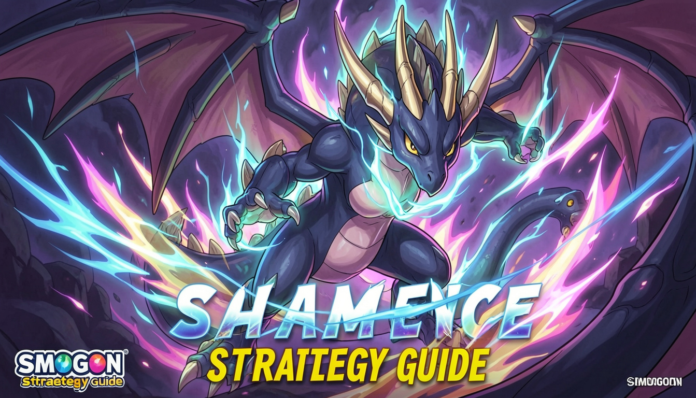


Salamence Smogon: Complete Competitive Pokémon Guide
Salamence Smogon is one of the most searched topics among competitive Pokémon players because Salamence has remained a powerful Dragon-type threat across multiple generations. Known for its incredible Attack stat, strong abilities, wide movepool, and intimidating presence, Salamence has always been a Pokémon that can completely change the direction of a battle.
Since its introduction in Generation 3, Salamence has built a strong reputation as a dangerous offensive Pokémon. Its combination of Dragon Dance, powerful STAB moves, and excellent coverage options allows it to defeat many opponents when given the right opportunity. The Smogon competitive community has tested Salamence in different formats, and its role has changed as new Pokémon, mechanics, and strategies entered the game.
In competitive battles, Salamence is not successful only because of its stats. Proper team building, smart predictions, and understanding the current metagame are necessary to use it effectively. A poorly timed switch or incorrect setup attempt can leave Salamence vulnerable, but a well-played Salamence can become one of the strongest win conditions on a team.
This detailed guide explains everything about Salamence Smogon, including its best sets, abilities, team partners, weaknesses, and strategies that help players maximize its potential.
What Makes Salamence Strong in Smogon Battles?
Salamence is considered a major competitive threat because it combines offensive power with useful defensive qualities. Its Dragon and Flying typing gives it access to strong attacks while allowing it to resist several important moves.
One of Salamence’s biggest advantages is its impressive offensive stats. With high Attack and good Speed, Salamence can pressure opponents immediately. It does not always need multiple turns to become dangerous because its natural power forces opponents to respect its attacks.
The ability Intimidate is another important reason Salamence performs well. When Salamence enters battle, Intimidate lowers the opponent’s Attack, making physical attacks weaker. This gives Salamence more opportunities to switch into certain threats.
Salamence also has access to Dragon Dance, one of the strongest setup moves in competitive Pokémon. Dragon Dance increases Attack and Speed, allowing Salamence to become faster than many opponents while gaining enough power to sweep entire teams.
Important strengths of Salamence include:
- Excellent Attack stat
- Strong Dragon-type moves
- Access to Dragon Dance
- Useful abilities
- Wide offensive movepool
- Ability to play multiple roles
However, Salamence also has weaknesses. Its 4x weakness to Ice-type attacks makes careful positioning extremely important. Players must avoid exposing Salamence to common Ice moves from faster opponents.
Best Salamence Smogon Movesets and Competitive Builds
The best Salamence Smogon set depends on the generation, format, and team strategy. Salamence can perform different roles, from offensive sweeper to defensive support Pokémon.
Dragon Dance Salamence
The Dragon Dance set is one of the most famous Salamence builds. This strategy focuses on boosting Salamence’s Speed and Attack before attempting a sweep.
A common moveset includes:
- Dragon Dance
- Dragon Claw or Outrage
- Earthquake
- Fire Fang or Roost
Dragon Dance allows Salamence to increase its offensive pressure quickly. After one boost, Salamence can outspeed many opponents and deal massive damage.
Dragon Claw provides reliable Dragon-type damage without locking Salamence into one move. Outrage offers more power but can create prediction problems because Salamence becomes locked into the attack.
Earthquake provides excellent coverage against Steel-types and other Pokémon that resist Dragon moves. Fire Fang helps against Steel-type Pokémon that may otherwise stop Salamence.
Offensive Salamence
An offensive Salamence build focuses on immediate damage instead of setting up. This version uses Salamence’s natural power to break through defensive teams.
Typical moves include:
- Draco Meteor
- Flamethrower
- Earthquake
- Roost or coverage moves
This style can surprise opponents because they may expect a Dragon Dance set. Strong special attacks allow Salamence to defeat physical walls that prepare for traditional sets.
Defensive Intimidate Salamence
Salamence can also function as a defensive Pokémon. With Intimidate and recovery options, it can support teams by reducing physical damage.
This version focuses on:
- Checking physical attackers
- Creating safe switches
- Maintaining team momentum
- Providing defensive utility
Although offensive sets are more popular, defensive Salamence remains useful in certain competitive environments.
Salamence Abilities Explained for Smogon Formats
Abilities are a major part of Salamence’s competitive identity. The right ability can completely change how it performs during battles.
Intimidate
Intimidate is one of Salamence’s most valuable abilities. When Salamence enters battle, the opponent’s Attack decreases by one stage.
This allows Salamence to handle physical attackers more effectively. It also creates opportunities for teammates by weakening dangerous opponents.
Intimidate works especially well on balanced teams where Salamence needs to provide defensive support while maintaining offensive pressure.
Moxie
Moxie increases Salamence’s Attack after it defeats an opposing Pokémon. This ability is designed for aggressive strategies.
A Salamence with Moxie can become extremely dangerous after securing one knockout. Combined with Dragon Dance, Moxie can allow Salamence to continue increasing its power throughout a battle.
Moxie is usually preferred on offensive teams that want Salamence to sweep after creating momentum.
Choosing between Intimidate and Moxie depends on the role Salamence needs to play. Defensive teams often prefer Intimidate, while offensive teams may benefit from Moxie.
Salamence Weaknesses and Best Counters
Understanding Salamence’s weaknesses is important for both using and defeating it. Although Salamence has many strengths, certain Pokémon and strategies can limit its effectiveness.
The biggest weakness of Salamence is its 4x weakness to Ice-type moves. Many Pokémon carry Ice coverage specifically to deal with Dragon-types, which makes careful switching necessary.
Common Salamence weaknesses include:
- Strong Ice-type attacks
- Faster offensive Pokémon
- Defensive Fairy-types
- Entry hazards
- Priority attacks
Stealth Rock is especially dangerous for Salamence because its Flying typing causes it to take significant damage when entering battle. Hazard control is often important when building a team around Salamence.
Fairy-type Pokémon can also create problems because Dragon-type moves do not affect them. Salamence players need teammates that can handle Fairy-type threats.
Good ways to support Salamence include:
- Hazard removal
- Steel-type teammates
- Pokémon that resist Ice attacks
- Offensive pressure against defensive counters
A strong team does not depend only on Salamence. Instead, it creates situations where Salamence can safely perform its role.
Best Teammates for Salamence Smogon Teams
Team synergy is one of the most important parts of competitive Pokémon. A strong Salamence team should include Pokémon that cover its weaknesses and help it succeed.
Steel-Type Partners
Steel-type Pokémon are valuable teammates because they resist Ice and Fairy attacks. They can switch into attacks that threaten Salamence and create opportunities for it to return safely.
Hazard Removal Support
Because Salamence dislikes Stealth Rock, hazard removal is extremely helpful. Pokémon with Rapid Spin or Defog can keep the battlefield safer.
Removing hazards allows Salamence to switch into battle more often without losing too much health.
Entry Hazard Setters
Salamence benefits from teammates that place hazards on the opponent’s side. Stealth Rock and Spikes can weaken enemy Pokémon, making it easier for Salamence to sweep.
Wall Breakers
Some defensive Pokémon can stop Salamence before it gains momentum. Wall breakers help remove these obstacles and create better opportunities.
Successful Salamence teams usually combine offensive pressure with defensive support.
How to Use Salamence Effectively in Competitive Battles
Using Salamence Smogon successfully requires understanding timing and positioning. Many players lose battles because they try to use Dragon Dance without considering the opponent’s response.
The best Salamence users know when to attack, when to switch, and when to set up.
Choose the Right Setup Moment
Dragon Dance should be used when Salamence has a safe opportunity. Setting up against a Pokémon that can immediately threaten Salamence often leads to failure.
Look for situations where opponents cannot deal significant damage or where they are forced to switch.
Predict Opponent Moves
Competitive battles involve prediction. A smart Salamence player understands when opponents are likely to switch or use defensive moves.
Correct predictions create opportunities for powerful attacks.
Manage Salamence’s Health
Salamence needs enough health to survive important attacks. Avoid unnecessary damage before attempting a sweep.
Understand the Current Metagame
The strongest Salamence strategy changes depending on the competitive environment. Players should study common threats, popular teams, and frequently used counters.
Why Salamence Remains Popular in Smogon Competitive Play
Salamence has remained popular because it represents everything competitive players enjoy about Pokémon battles. It has power, versatility, and the ability to reward skilled decision-making.
Unlike Pokémon that rely on one strategy, Salamence can adapt to different team styles. It can sweep with Dragon Dance, support teammates with Intimidate, or break through opponents using strong offensive moves.
The popularity of Salamence Smogon comes from its ability to remain useful across different generations. Even when new Pokémon appear, Salamence continues to find ways to compete through new strategies and creative builds.
For beginners, Salamence is a great Pokémon for learning competitive concepts such as setup moves, team synergy, prediction, and matchup awareness. For experienced players, it remains a rewarding choice that can dominate battles when used correctly.
Frequently Asked Questions About Salamence Smogon
Is Salamence good in Smogon battles?
Yes, Salamence is a strong competitive Pokémon with powerful offensive abilities, useful moves, and excellent setup potential.
What is the best Salamence Smogon moveset?
The Dragon Dance set with Dragon Dance, Dragon Claw or Outrage, Earthquake, and Fire Fang or Roost is one of the most popular options.
Should Salamence use Intimidate or Moxie?
Intimidate provides defensive support, while Moxie helps offensive teams create stronger sweeps.
What is Salamence’s biggest weakness?
Salamence has a major weakness to Ice-type attacks because its Dragon and Flying typing creates a 4x Ice weakness.
Is Salamence better as a physical or special attacker?
Salamence can perform both roles, but physical Dragon Dance sets are among the most common competitive choices.
How do I counter Salamence?
Strong Ice attacks, Fairy-types, faster Pokémon, and hazard pressure are effective ways to handle Salamence.
Salamence remains one of the most iconic Dragon-type Pokémon in competitive history. With powerful moves, flexible abilities, and strong team support, Salamence continues to be a dangerous threat in Smogon battles. Mastering its sets and strategies can help players build stronger teams and achieve better results in competitive Pokémon.
Read Also: Gyarados Smogon Guide: Best Sets, Moves, and Strategies