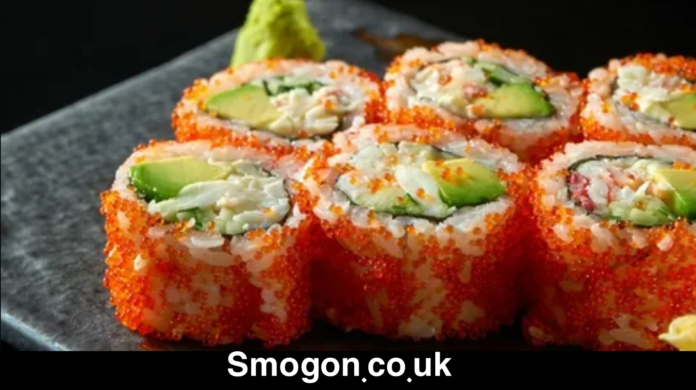


If you’ve ever enjoyed sushi at a Japanese restaurant, you’ve likely encountered tobiko without even realising it. These tiny, brightly coloured fish eggs are a popular ingredient in Japanese cuisine, known for their crunchy texture, vibrant appearance, and distinctive flavour. Often sprinkled over sushi rolls or served as a garnish, tobiko adds both visual appeal and a unique taste experience.
As Japanese food continues to gain popularity worldwide, more people are becoming curious about tobiko and its role in traditional and modern dishes. Understanding what tobiko is, how it is made, and why chefs use it can help diners appreciate one of the most recognisable ingredients in Japanese culinary culture.
Quick Facts About Tobiko
| Feature | Details |
|---|---|
| Name | Tobiko |
| Type | Fish Roe (Fish Eggs) |
| Source | Flying Fish |
| Origin | Japanese Cuisine |
| Colour | Naturally orange, often dyed green, black, red, or yellow |
| Texture | Crunchy and crisp |
| Flavour | Mildly salty, slightly smoky, subtly sweet |
| Common Uses | Sushi, sashimi, rice bowls, garnishes |
| Nutritional Value | Contains protein, vitamins, and omega-3 fatty acids |
| Popularity | Widely used in Japanese restaurants worldwide |
What Is Tobiko?
Tobiko is the roe, or eggs, of flying fish. It is a staple ingredient in Japanese cuisine and is particularly popular in sushi preparation. The eggs are small, usually measuring between 0.5 and 0.8 millimetres in diameter, and are recognised for their bright colour and distinctive crunch.
Unlike some other types of fish roe, tobiko has a firm texture that produces a satisfying popping sensation when eaten. This characteristic makes it highly valued by chefs who want to add texture and visual contrast to their dishes.
Traditionally, tobiko is naturally orange-red in colour. However, chefs often enhance or alter its appearance using natural ingredients. For example, green tobiko may be flavoured with wasabi, black tobiko with squid ink, and yellow tobiko with citrus extracts.
Because of its versatility and attractive appearance, tobiko has become a common feature in sushi restaurants around the world.
Why Tobiko Matters
Tobiko plays an important role in Japanese culinary traditions because it contributes more than flavour alone. Its unique texture and colourful appearance elevate dishes both visually and gastronomically.
In Japanese cuisine, presentation is considered just as important as taste. Tobiko helps chefs create visually striking dishes while adding layers of flavour and texture.
Additionally, tobiko reflects the broader Japanese approach to food, which emphasises balance, simplicity, and attention to detail. Even a small amount of tobiko can transform the appearance and eating experience of a dish.
Beyond aesthetics, tobiko also provides nutritional benefits, including protein, vitamins, and healthy fats. This combination of beauty, flavour, and nutrition explains why it remains a favourite ingredient among chefs and diners alike.
Key Features of Tobiko
Distinctive Crunchy Texture
One of the most notable characteristics of tobiko is its texture.
Unlike softer fish roe varieties, tobiko maintains a firm outer layer that creates a crisp, popping sensation when eaten.
This crunch adds contrast to soft ingredients commonly found in sushi, such as rice, avocado, and seafood.
The textural element is a major reason for its popularity in Japanese cuisine.
Vibrant Colours
Tobiko is visually striking.
While natural tobiko is orange, chefs often create different coloured varieties using natural flavourings and ingredients.
Popular colour variations include:
- Green tobiko (wasabi-flavoured)
- Black tobiko (squid ink)
- Red tobiko (chilli or beet extracts)
- Yellow tobiko (yuzu or citrus)
These colourful options enhance food presentation and make dishes more appealing.
Mild Yet Complex Flavour
Tobiko has a delicate flavour profile.
It is generally:
- Slightly salty
- Mildly sweet
- Subtly smoky
- Lightly briny
This balanced taste allows it to complement a wide range of ingredients without overpowering them.
Small Egg Size
Compared with other fish roe varieties, tobiko eggs are relatively small.
Their tiny size allows chefs to distribute them evenly across dishes, ensuring consistent flavour and texture.
The small eggs also contribute to tobiko’s elegant appearance.
Culinary Versatility
Tobiko can be used in numerous dishes.
Common applications include:
- Sushi rolls
- Nigiri sushi
- Sashimi platters
- Rice bowls
- Seafood salads
- Appetisers
Its versatility makes it a valuable ingredient in both traditional and contemporary cuisine.
Nutritional Content
Although consumed in small quantities, tobiko contains several nutrients.
These include:
- Protein
- Omega-3 fatty acids
- Vitamin B12
- Selenium
- Phosphorus
As part of a balanced diet, tobiko can contribute to overall nutritional intake.
Benefits and Uses of Tobiko
Enhancing Food Presentation
One of the primary uses of tobiko is visual enhancement.
Its bright colours create contrast and sophistication, making dishes more attractive.
Adding Texture
Many foods focus primarily on flavour, but texture is equally important.
Tobiko provides a crunchy element that enhances the overall dining experience.
Complementing Seafood Dishes
Tobiko pairs particularly well with seafood.
Its mild flavour enhances ingredients such as:
- Tuna
- Salmon
- Crab
- Shrimp
- Scallops
Supporting Creative Cuisine
Modern chefs frequently experiment with tobiko in innovative dishes.
Its versatility allows it to be incorporated into fusion cuisine and contemporary recipes.
Providing Nutritional Value
Tobiko offers modest amounts of beneficial nutrients while remaining relatively low in calories.
This combination makes it an attractive ingredient for many diners.
Types of Tobiko
Traditional Orange Tobiko
The classic version of tobiko features its natural orange-red colour and mild flavour.
This variety remains the most widely recognised.
Wasabi Tobiko
Green tobiko is commonly flavoured with wasabi.
It provides a subtle spicy kick that complements sushi and seafood.
Squid Ink Tobiko
Black tobiko gains its colour from squid ink.
It often has a slightly richer and more savoury taste.
Yuzu Tobiko
Yellow tobiko is typically infused with yuzu, a Japanese citrus fruit.
The result is a bright, refreshing flavour profile.
Chilli Tobiko
Red tobiko may be enhanced with chilli flavouring.
This version adds a mild level of heat while maintaining the signature crunch.
Tobiko vs Other Fish Roe
Tobiko vs Masago
Many diners confuse tobiko with masago.
Key differences include:
| Feature | Tobiko | Masago |
|---|---|---|
| Source | Flying Fish | Capelin |
| Size | Larger | Smaller |
| Texture | Crunchier | Softer |
| Price | Higher | Lower |
| Appearance | Brighter | More subdued |
Tobiko vs Caviar
Caviar comes from sturgeon fish and is generally considered a luxury product.
Compared with caviar, tobiko is:
- Smaller
- Crunchier
- More affordable
- Less rich in flavour
Tobiko vs Ikura
Ikura refers to salmon roe.
Ikura eggs are significantly larger and contain a more pronounced flavour.
Tobiko, by contrast, offers a finer texture and subtler taste.
How Tobiko Is Used in Japanese Cuisine
Sushi Rolls
Many popular sushi rolls feature tobiko as a topping or filling ingredient.
Nigiri Sushi
Chefs often place tobiko atop rice wrapped with seaweed.
Rice Bowls
Tobiko adds flavour and colour to rice-based dishes.
Seafood Salads
Its crunchy texture works well in seafood and seaweed salads.
Appetisers
Tobiko frequently appears in small appetiser dishes designed to highlight Japanese flavours.
FAQs
1. What is tobiko made from?
Tobiko is made from the roe, or eggs, of flying fish commonly found in marine environments.
2. Is tobiko the same as caviar?
No. Tobiko comes from flying fish, while caviar traditionally refers to roe harvested from sturgeon species.
3. What does tobiko taste like?
Tobiko has a mild salty flavour with subtle sweetness, light smokiness, and a distinctive crunchy texture.
4. Is tobiko healthy?
Tobiko contains protein, omega-3 fatty acids, vitamin B12, and several minerals, making it a nutritious addition to many dishes.
5. Why is tobiko different colours?
Chefs often use ingredients such as wasabi, squid ink, chilli, or citrus flavourings to create colourful variations of tobiko.
Conclusion
Tobiko is far more than a decorative sushi topping. As the roe of flying fish, it brings a unique combination of flavour, texture, colour, and nutritional value to Japanese cuisine. Its crisp pop, vibrant appearance, and versatility have made it a favourite ingredient in restaurants around the world.
Whether enjoyed on sushi, incorporated into seafood dishes, or used as a garnish, tobiko exemplifies the attention to detail that defines Japanese culinary traditions. For anyone exploring Japanese food, understanding tobiko offers a deeper appreciation of one of the cuisine’s most distinctive and enjoyable ingredients.